Free Download:
Introduction and Section Preview
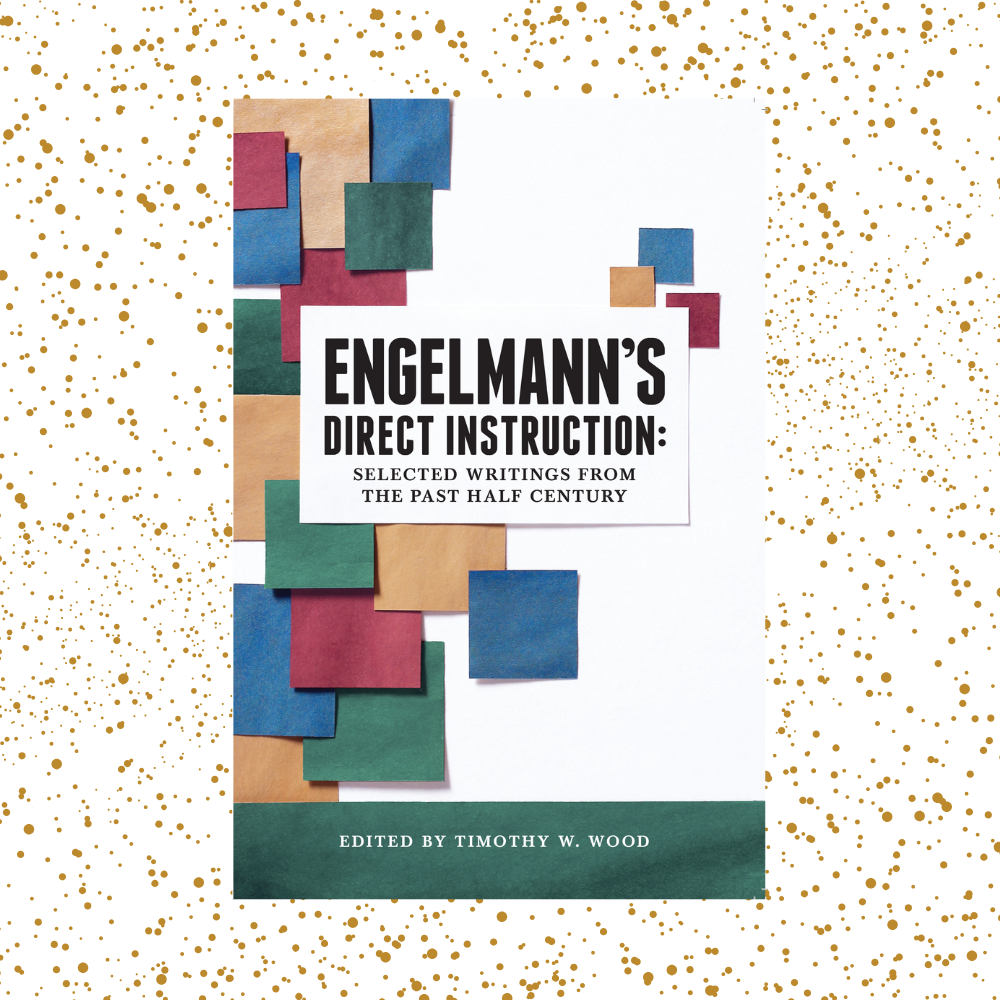
Since the mid-1960s, Siegfried Engelmann has shown how all children can learn if they receive appropriate and effective instruction. The Direct Instruction (DI) programs he developed have transformed the lives of countless students. However, in addition to developing these highly effective programs, Engelmann has written extensively about learning and education, providing extraordinary insight into the theoretical and philosophical foundations of DI and the broader world of education.
This book brings together, for the first time, a selection of these articles, illustrating the wide variety of topics Engelmann has explored over the last half-century and his unique insights into problems within the world of education. Four key themes of Engelmann’s work are highlighted:
- His theoretical understandings of learning and instruction,
- The development of the highly effective Direct Instruction curricular material,
- The need for political reform and change in the organization and orientation of education, and
- Responses to critics and political roadblocks to the development of effective instruction.
Appendices provide a complete list of Engelmann’s writings and programs, as well as an analysis of the development of themes within his work.
Timothy W. Wood is a former researcher for the National Institute for Direct Instruction. He received his B.A. in History from Lewis & Clark College with a focus on twentieth-century U.S. history. He is also a graduate of Northwestern University’s Museum Studies program.
Paperback versions are now available in countries outside the U.S. through Amazon’s print-on-demand service. Check your local Amazon site for details.
Editor: Timothy W. Wood
Copyright: 2014
ISBN: 978-1-939851-03-1
Format: Paperback
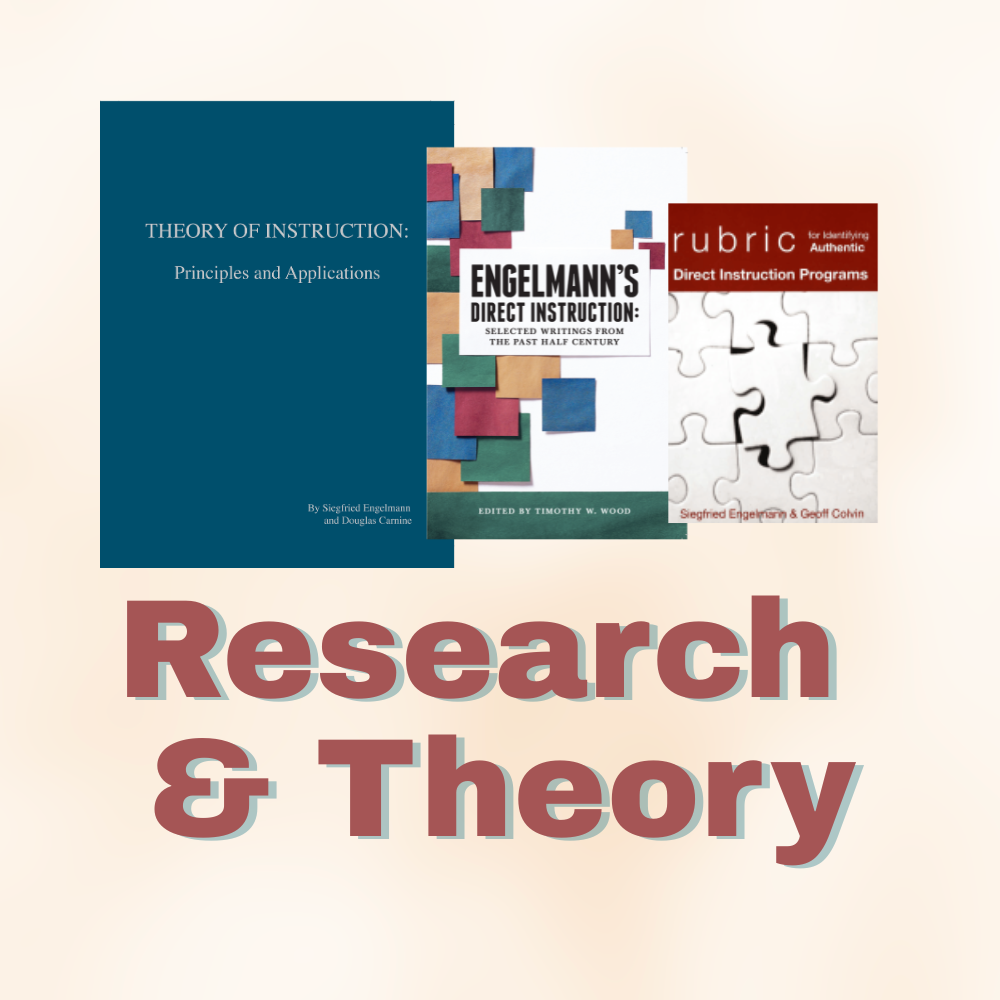
For a related volume, see The Science and Success of Engelmann’s Direct Instruction, edited by Jean Stockard (NIFDI Press, 2014). It honors Engelmann’s long career in education with insightful, detailed essays on the scientific basis of his developments and the legacy of his work.