Do your students perform below grade level in reading? Have performance gaps in reading increased at your school over the last few years? Or do you want to prevent performance gaps from developing by implementing an approach that has been proven to promote universal literacy to virtually all students with functional expressive and receptive language skills?
What’s the problem?
Reading instruction in schools faces multifaceted challenges. Traditional methods rooted in debunked theories, such as guessing at unknown words or relying on context clues, persist despite evidence from cognitive scientists. The diverse range of student needs and abilities, including young readers who arrive at school without basic readiness skills, further complicates matters, as traditional approaches may not adequately address individual needs. Moreover, limited funding often hampers the implementation of effective teaching strategies, exacerbating the issue. But with limited resources and a wide range of student needs, what can you do?
How do we address it?
Addressing these problems requires a comprehensive approach that integrates evidence-based practices to support students’ diverse needs. Research in the science of reading has identified instructional methods that are effective in teaching reading skills to learners at all levels, supporting the cognitive processes involved in reading, including phonological awareness, phonics, fluency, vocabulary, and comprehension. Implementing programs that include each of these components and deliver the instruction explicitly to help children learn to read is imperative.
Is there a curriculum that does this?
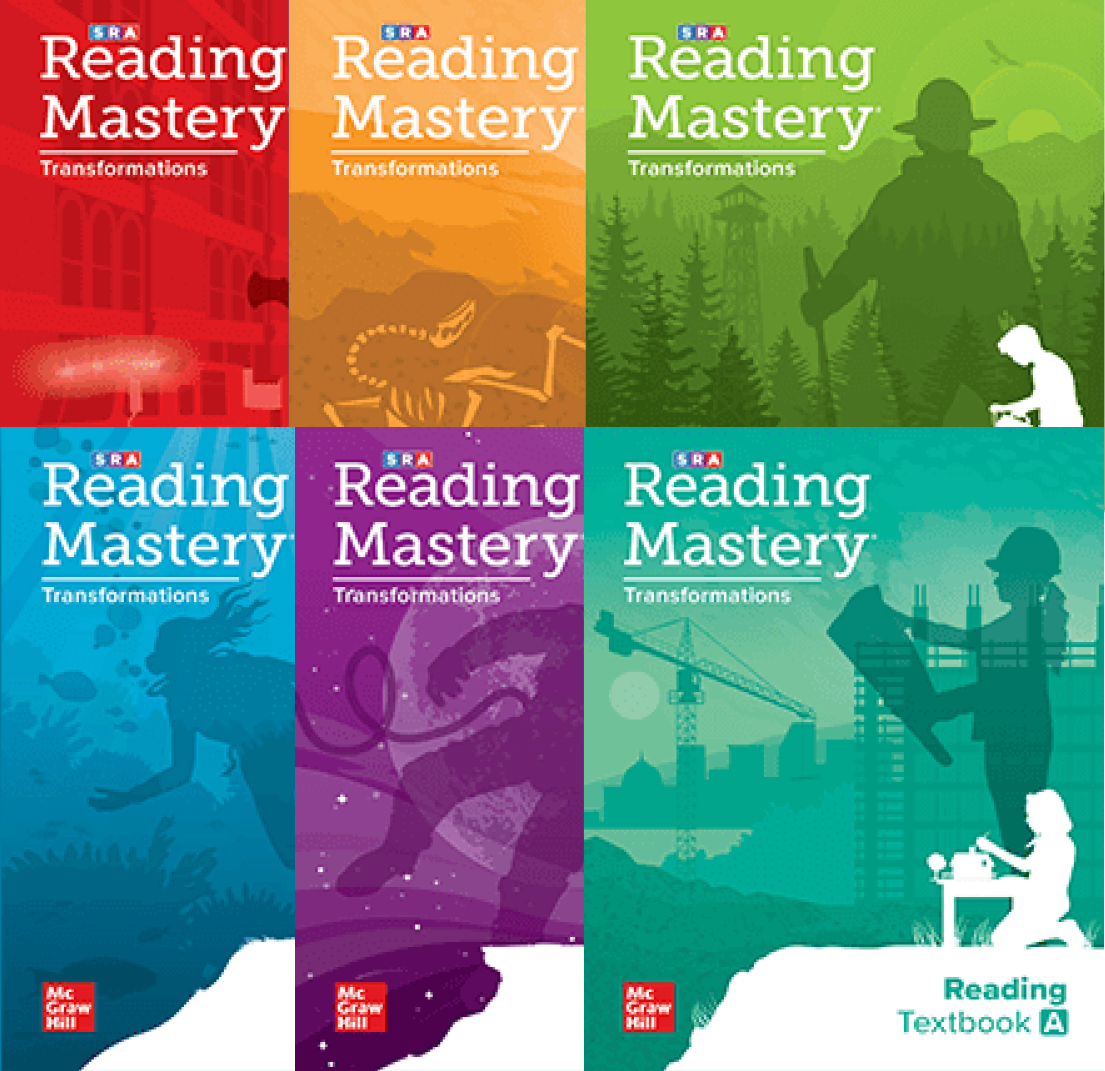
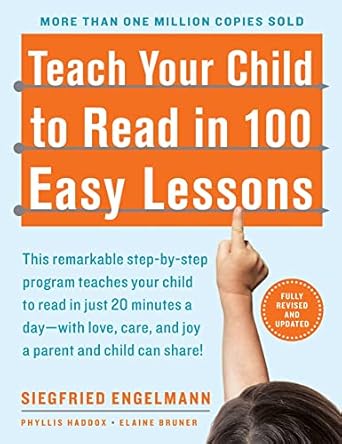
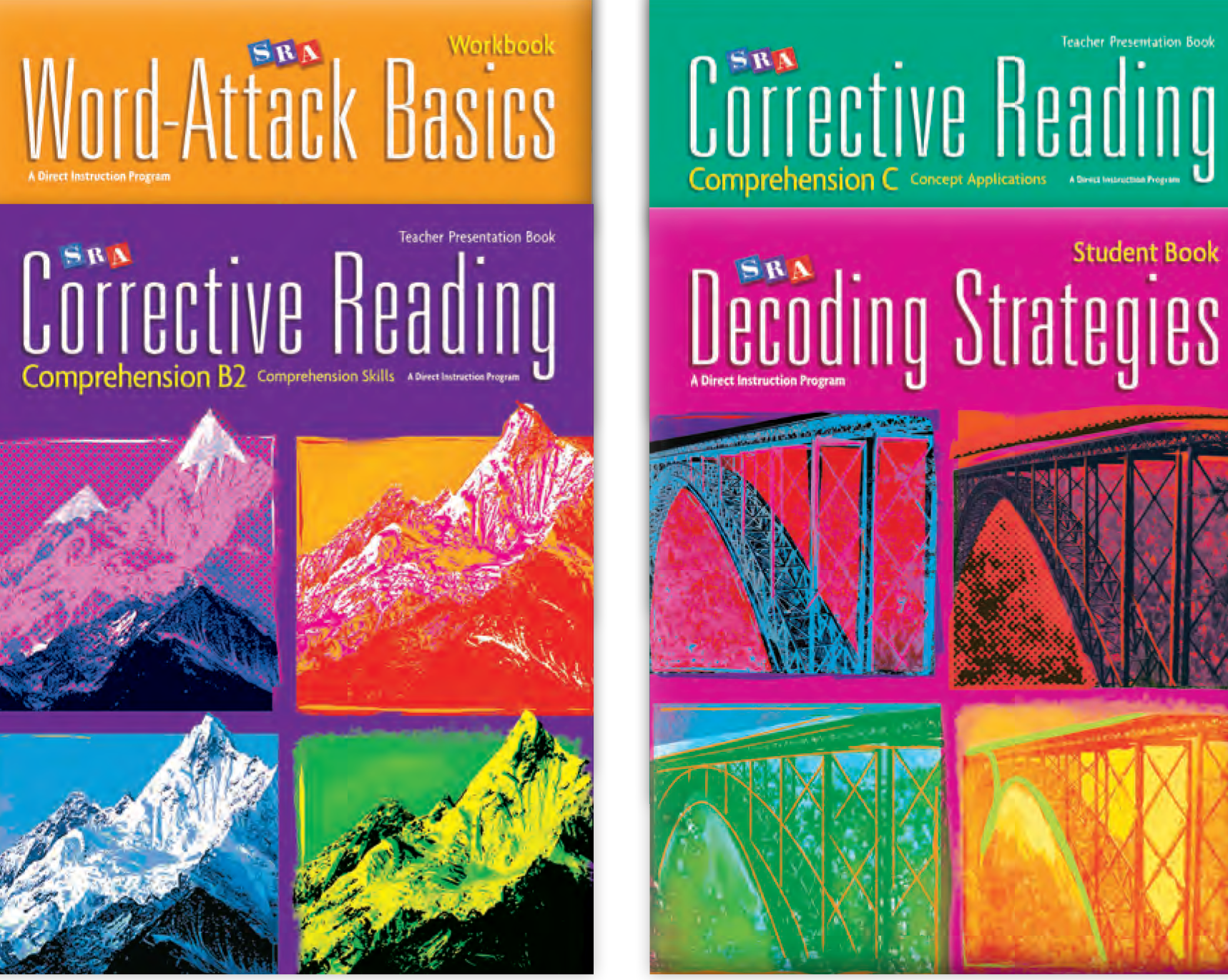
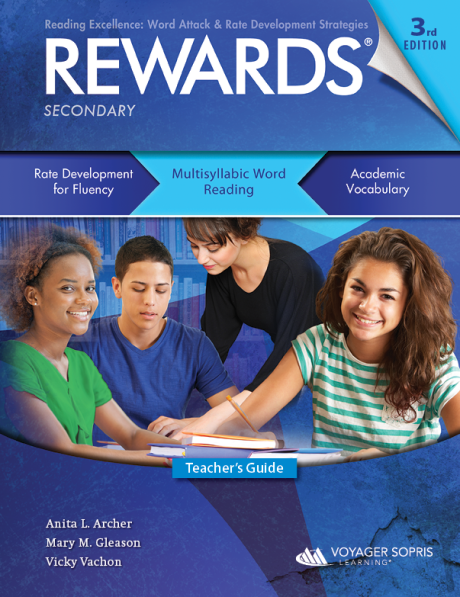
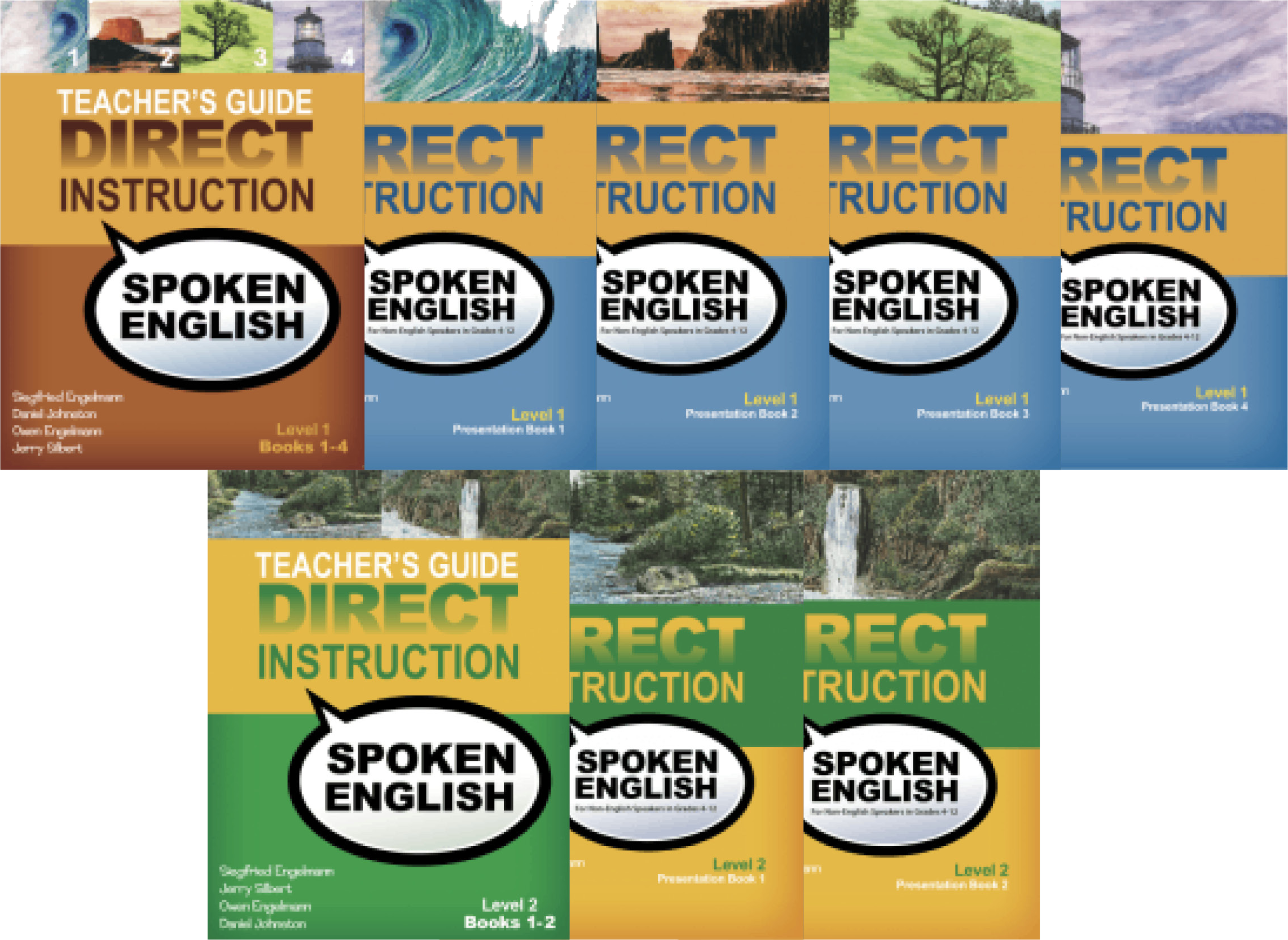
We recommend several developmental and remedial Direct Instruction programs that integrate the five essential reading components and provide explicit instruction. Each program is research-based and tailored to provide instruction to every child at their individual skill level, setting these programs apart with a dynamic approach to student placement.
Should students display mastery, they progress to the next lesson seamlessly. Conversely, if in-program data indicates the necessity for skill or content review, specific routines are in place to pinpoint and address these needs before advancing to subsequent lessons. This approach ensures ongoing improvement in reading skills and mitigates the risk of learning gaps.
Where can I find help to implement programs?
If you’re thinking this sounds complicated and aren’t sure where to start, NIFDI can help. From assisting with testing to determine where your students should be placed in the program, to pre-service training for teachers and staff, to data analysis and on-site coaching, NIFDI can provide comprehensive support, ensuring you achieve results.
NIFDI can support a wide range of types of reading at your school or district, including:
- tutoring programs,
- resource room instruction, and
- schoolwide or district-wide reading initiatives.
NIFDI support can include any of the following:
A full immersion, schoolwide implementation of DI ties all of these elements together.
For building the capacity of your lead instructional staff, NIFDI offers the following as part of the National Direct Instruction Conference:
Still not sure?
Check out these videos from school leaders who have implemented Direct Instruction and learn how they have partnered with NIFDI to improve instructional practices and ensure their students’ success.
Let us hear from you!
Contact us at info@nifd.org or fill out the form below to let us know the mathematics needs of the students at your school or district.